
Arc Flash Awareness for Industrial Electrical Work
Electrical safety | Arc flash risk, panel work, and maintenance planning
✓ What problem are we solving?
Electrical panels and power distribution equipment can expose qualified workers to arc flash hazards when maintenance or troubleshooting is not planned correctly. Production pressure, poor documentation, and unclear equipment status can all increase risk.
Britton Electronics & Automation helps customers approach electrical work with practical safety planning, clearer panel documentation, and maintenance practices that reduce unnecessary exposure.
Safer maintenance planning
Arc flash awareness helps teams decide when work should be de-energized, planned, or escalated.
Better documentation
Clear panel labels and equipment information support safer troubleshooting decisions.
Reduced exposure
Designing panels for maintainability can reduce the need for risky energized interaction.
✓ What technology supports the solution?
Arc flash safety depends on proper electrical design, documented procedures, labeling, PPE practices, and trained personnel. BEA supports the controls and panel work that fits into that safety process.
✓ Review panel access, labels, and electrical documentation.
✓ Support safer troubleshooting and maintenance workflows.
✓ Coordinate controls work with facility electrical safety procedures.
✓ How is the solution implemented?
BEA can help improve panel documentation, modernize controls, and design maintenance-friendly electrical interfaces that support safer work practices.
Supporting resource: LinkedIn arc flash safety post.
Need help applying this technology in your facility?
Britton Electronics & Automation helps industrial customers evaluate, integrate, commission, and support practical automation, instrumentation, networking, and electrical improvements.
Call BEA to discuss your industrial controls, instrumentation, networking, or maintenance support needs.
Planning the Right Industrial Wireless Network
Industrial wireless | Remote assets, plant communications, and network design
✓ What problem are we solving?
Industrial wireless networks are often asked to connect remote equipment, moving assets, water and wastewater sites, or plant areas where cable is expensive or impractical. Reliability suffers when the project starts with hardware instead of application requirements.
Britton Electronics & Automation designs wireless networks around the communication problem: what must be connected, how much data must move, how often it must update, and what environmental conditions the system must survive.
Application-fit design
The wireless architecture is selected around distance, data needs, site conditions, and support requirements.
Reduced installation cost
Wireless can avoid difficult trenching or cabling when designed correctly.
Long-term reliability
Documented network design makes support and expansion easier.
✓ What technology supports the solution?
ESTeem industrial wireless systems can support remote monitoring and industrial communications when the radio network is designed around the site and application.
✓ Define what equipment needs to communicate and why.
✓ Review distance, bandwidth, update rate, and environmental constraints.
✓ Plan antennas, mounting, power, grounding, and support access.
✓ How is the solution implemented?
BEA can help customers evaluate wireless feasibility, design the network, integrate data into PLC or SCADA systems, and support the installation after commissioning.
Supporting resource: ESTeem industrial wireless planning presentation.
Need help applying this technology in your facility?
Britton Electronics & Automation helps industrial customers evaluate, integrate, commission, and support practical automation and reliability improvements.
Call BEA to discuss your industrial controls, instrumentation, networking, or maintenance support needs.
Industrial Wireless Antenna Planning for Reliable Communications
Industrial wireless | Antennas, frequency planning, and network reliability
✓ What problem are we solving?
Wireless projects can fail when antenna selection, path planning, mounting, and environmental conditions are treated casually. A radio may be capable, but the network still depends on the physical wireless design.
Britton Electronics & Automation treats industrial wireless as an engineered communication system. Antenna choice, cable length, line of sight, frequency, grounding, and installation details all affect reliability.
More reliable links
Proper antenna planning improves signal quality and reduces intermittent communication problems.
Cleaner installation
Correct mounting, cabling, and grounding reduce maintenance issues.
Better supportability
Documented wireless design makes troubleshooting easier when conditions change.
✓ What technology supports the solution?
ESTeem industrial wireless resources can help explain antenna and wireless network fundamentals. BEA applies those concepts to real plant, utility, and remote-site communication projects.
✓ Review distance, line of sight, obstructions, and mounting locations.
✓ Select antenna type, cable, and grounding practices for the environment.
✓ Document the wireless path and installation details.
✓ How is the solution implemented?
BEA can review a wireless application, recommend a practical antenna approach, install the communication hardware, and support the network after startup.
Supporting resource: ESTeem antenna planning presentation.
Need help applying this technology in your facility?
Britton Electronics & Automation helps industrial customers evaluate, integrate, commission, and support practical automation and reliability improvements.
Call BEA to discuss your industrial controls, instrumentation, networking, or maintenance support needs.
PowerFlex 527 Drives for Integrated Motion and Motor Control
Motor control | Integrated drives, automation platforms, and commissioning
✓ What problem are we solving?

Applications that need coordinated motor control require more than a drive mounted in a panel. They need correct sizing, network integration, safety consideration, diagnostics, and commissioning support.
Britton Electronics & Automation integrates drive technology into complete automation systems so motor control, PLC logic, operator interface, and maintenance diagnostics work together.
Tighter automation integration
Integrated drive platforms can simplify control and diagnostics inside compatible automation systems.
Improved commissioning
Planned configuration and testing reduce startup issues.
Better long-term support
Documented drive setup helps maintenance teams troubleshoot and replace components later.
✓ What technology supports the solution?
Allen-Bradley PowerFlex 527 drives can support integrated motor control applications when paired with the right control platform and engineering workflow.
✓ Match the drive platform to the control architecture.
✓ Configure communications, safety, and diagnostics intentionally.
✓ Commission the drive as part of the complete machine or process system.
✓ How is the solution implemented?
BEA can support drive selection, panel design, programming, startup, and documentation for applications using Rockwell Automation drive platforms.
Supporting resource: PowerFlex 527 video.
Need help applying this technology in your facility?
Britton Electronics & Automation helps industrial customers evaluate, integrate, commission, and support practical automation and reliability improvements.
Call BEA to discuss your industrial controls, instrumentation, networking, or maintenance support needs.
PowerFlex 525 Drives in Practical Motor Control Systems
Motor control | Variable frequency drives, commissioning, and support
✓ What problem are we solving?
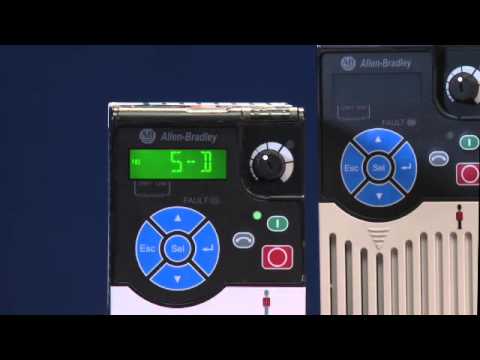
Motor applications need reliable speed control, protection, and integration with the plant control system. Poorly selected or poorly commissioned drives can create nuisance faults, unclear diagnostics, and maintenance frustration.
Britton Electronics & Automation integrates variable frequency drives as part of a complete motor control solution, including panel design, parameter setup, PLC integration, operator visibility, and support documentation.
Better motor control
Proper drive setup improves speed control, starting behavior, and application performance.
Clearer diagnostics
Integrated drives give operators and maintenance teams better visibility into faults and operating status.
Easier support
Documented parameters and wiring reduce troubleshooting time later.
✓ What technology supports the solution?
Allen-Bradley PowerFlex 525 drives support many industrial motor control applications when selected, configured, and integrated correctly.
✓ Review motor, load, enclosure, and environmental requirements.
✓ Configure drive parameters for the application.
✓ Integrate status, control, and fault data into the PLC or HMI.
✓ How is the solution implemented?
BEA can help design the drive panel, configure the VFD, commission the motor system, and document the installation for future maintenance.
Supporting resource: PowerFlex 525 video.
Need help applying this technology in your facility?
Britton Electronics & Automation helps industrial customers evaluate, integrate, commission, and support practical automation and reliability improvements.
Call BEA to discuss your industrial controls, instrumentation, networking, or maintenance support needs.
One-Handed Panel Access for Safer Maintenance
Electrical access | GracePort maintenance interfaces and panel workflow
✓ What problem are we solving?
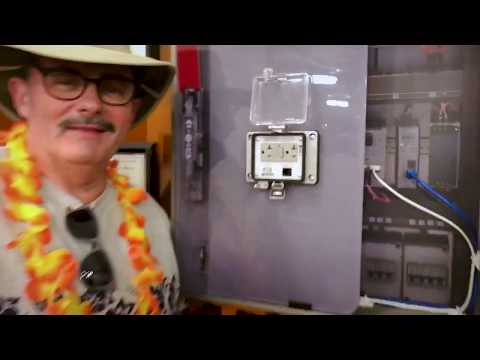
Maintenance tasks often require technicians to connect to equipment inside an enclosure. Opening a panel for routine access can add exposure, slow troubleshooting, and create inconsistent work practices.
Britton Electronics & Automation helps customers use panel interface and access devices to make routine maintenance safer, cleaner, and easier to perform.
Less enclosure exposure
External access points can reduce the need to open panels for common maintenance tasks.
Faster troubleshooting
Technicians can reach communication or power access points more efficiently.
Cleaner panel standards
Purpose-built access devices improve consistency across control panels.
✓ What technology supports the solution?
GracePort panel interface products can support external access for programming, communication, and maintenance connections while keeping enclosure design organized.
✓ Identify the routine access needs for the panel.
✓ Select the correct interface for the equipment and environment.
✓ Document the access point for operators and maintenance teams.
✓ How is the solution implemented?
BEA can incorporate panel interface devices into new control panels or retrofit existing systems where safer and more practical access would help maintenance teams.
Supporting resource: GracePort one-handed access video.
Need help applying this technology in your facility?
Britton Electronics & Automation helps industrial customers evaluate, integrate, commission, and support practical automation and reliability improvements.
Call BEA to discuss your industrial controls, instrumentation, networking, or maintenance support needs.
Absence of Voltage Verification for Electrical Maintenance
Electrical safety | Lockout/tagout, panel service, and voltage verification
✓ What problem are we solving?

Before electrical equipment is serviced, workers must verify the absence of voltage. Traditional handheld testing can be time-consuming and exposes qualified workers to energized equipment during the verification process.
Britton Electronics & Automation helps customers use engineered safety devices and documented procedures to make electrical maintenance more consistent, visible, and repeatable.
Improved safety workflow
Automated absence-of-voltage verification can simplify a critical step before accessing equipment.
Reduced human error
Installed devices support a repeatable process instead of relying only on manual setup each time.
Better maintenance confidence
Clear indication helps qualified workers confirm equipment status before service begins.
✓ What technology supports the solution?
Panduit VeriSafe Absence of Voltage Testers provide an installed method to verify absence of voltage with a push-button workflow and active indication.
✓ Apply absence-of-voltage verification within the facility safety procedure.
✓ Install devices where panel access and maintenance frequency justify them.
✓ Train workers on the proper use and limitations of the system.
✓ How is the solution implemented?
BEA can help evaluate panels, support installation, and document how voltage verification devices fit into lockout/tagout and maintenance procedures.
Supporting resource: Panduit VeriSafe information.
Need help applying this technology in your facility?
Britton Electronics & Automation helps industrial customers evaluate, integrate, commission, and support practical automation and reliability improvements.
Call BEA to discuss your industrial controls, instrumentation, networking, or maintenance support needs.