
A whole-cabinet approach to aging controls
The PLC Is Usually Not the First Thing We Replace
Open an older control cabinet and the PLC is the component everyone recognizes. It may also be one of the more stable parts of the system. The immediate risk is often in the aging equipment around it.
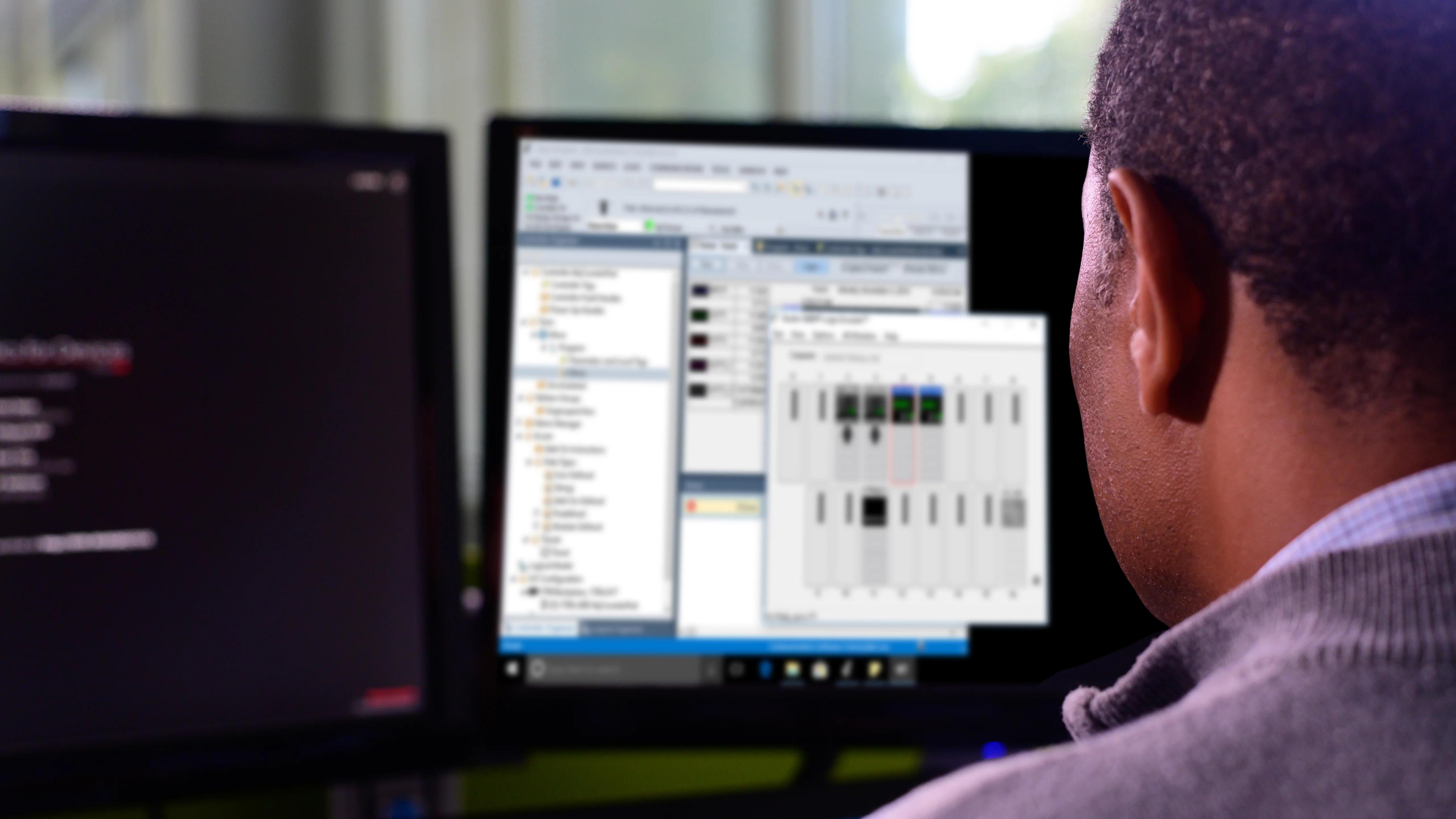
A cabinet should be evaluated as a connected system. Controller age is only one part of the modernization decision.
One cabinet, several generations
A moderately aged PLC can share an enclosure with much older relays, brittle wiring, tired cooling equipment, obsolete communication hardware, weak power supplies, and field devices that have survived years of heat and vibration.
Replacing the controller first may leave the most likely interruption points untouched. It can also turn a limited repair into a larger commissioning project before the plant is ready.
Start with evidence, not appearance
Age matters, but condition, supportability, failure history, process consequence, and available spares matter more. Before selecting a replacement target, document what is installed, review alarms and maintenance records, inspect the cabinet, verify power quality and loading, and identify components that can no longer be supported predictably.
The best first project is the one that removes the largest practical risk with a controlled amount of change.
What often deserves attention before the PLC
Control power
Power supplies, transformers, protection devices, and loose or deteriorated connections can affect every device downstream. Verify voltage behavior under real operating conditions.
Heat and contamination
Blocked filters, failed fans, damaged enclosure seals, and accumulated contamination shorten component life. Correcting the environment may protect the entire installed system.
Relays and contact devices
Mechanical switching components wear with use. Repeated nuisance failures, damaged sockets, and unclear labeling can justify focused replacement and documentation.
Networks and interfaces
Old switches, converters, connectors, and unsupported communication paths may be harder to diagnose or replace than the controller itself.
Operator interface
An obsolete HMI, unavailable programming software, or missing project file can create a support problem even while the PLC continues to run reliably.
Field wiring and devices
Sensors, instruments, solenoids, terminal blocks, and cable terminations live at the edge of the system, where moisture, vibration, and physical damage are common.
Four questions for a sensible replacement sequence
- What is failing now? Use service records, alarms, inspection, and testing to identify recurring problems.
- What cannot be recovered? Confirm backups, source files, software access, spare availability, and a tested restoration path.
- What stops the process? Rank components by operational consequence, not only by purchase date.
- What change can be tested safely? Plan isolation, simulation, factory testing, rollback, and a realistic outage window before touching production equipment.
When the PLC should move to the front
A controller migration becomes urgent when hardware support and spares are no longer dependable, engineering access cannot be maintained, required expansion is impractical, communications constrain the application, or the platform creates an unacceptable recovery or cybersecurity risk. Even then, the project should include the I/O, power, network, HMI, software, documentation, and field interfaces that determine whether the new controller will succeed.
Rockwell Automation describes proactive lifecycle planning as an assessment and migration process, and notes that parts and skilled support for discontinued PLC-5 systems are becoming scarce. That is a useful reminder that modernization should be planned before an emergency, while the existing process can still be studied and tested. Review Rockwell Automation's PLC-5 migration resources.
A practical phased path
1. Stabilize
Correct active power, cooling, wiring, and component problems. Capture backups and preserve evidence.
2. Document
Record hardware, networks, I/O, software versions, drawings, dependencies, spares, and recovery procedures.
3. Prioritize
Rank risks by likelihood, consequence, supportability, and the effort required to make a controlled change.
4. Modernize
Execute the approved scope with backups, test plans, operator input, commissioning records, and a defined rollback strategy.
How can BEA help?
BEA can assess an aging cabinet as a complete operating system, not a collection of part numbers. We help customers inventory installed equipment, troubleshoot current weaknesses, recover and document programs, evaluate lifecycle risk, and build a phased modernization plan around production needs.
If an older panel is becoming harder to support, we can help determine what should be replaced first, what can remain in service, and how to make the change without creating avoidable downtime.